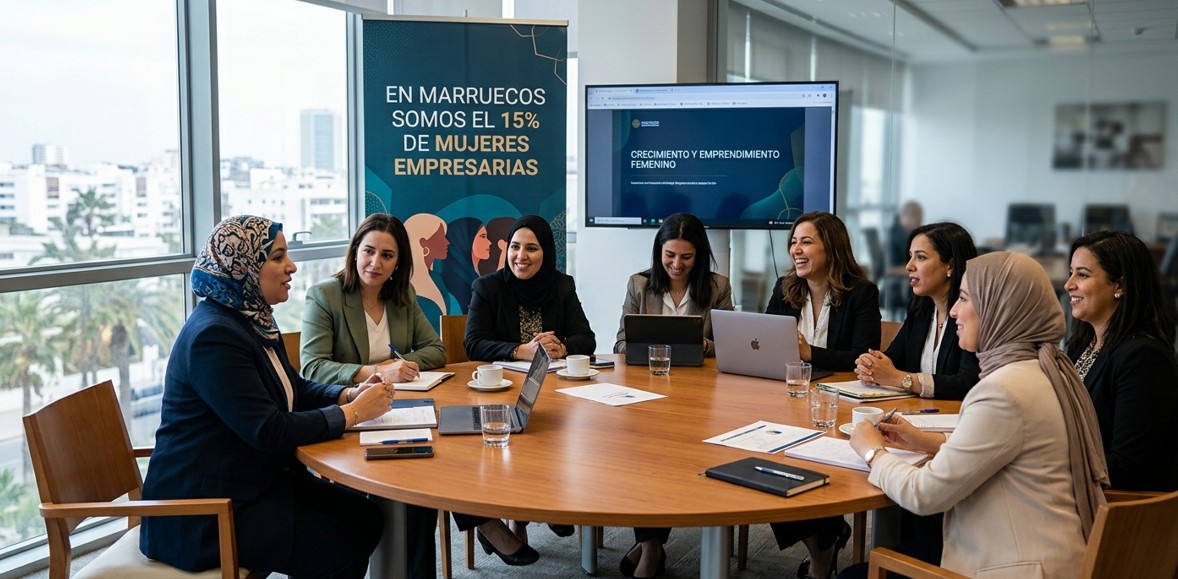
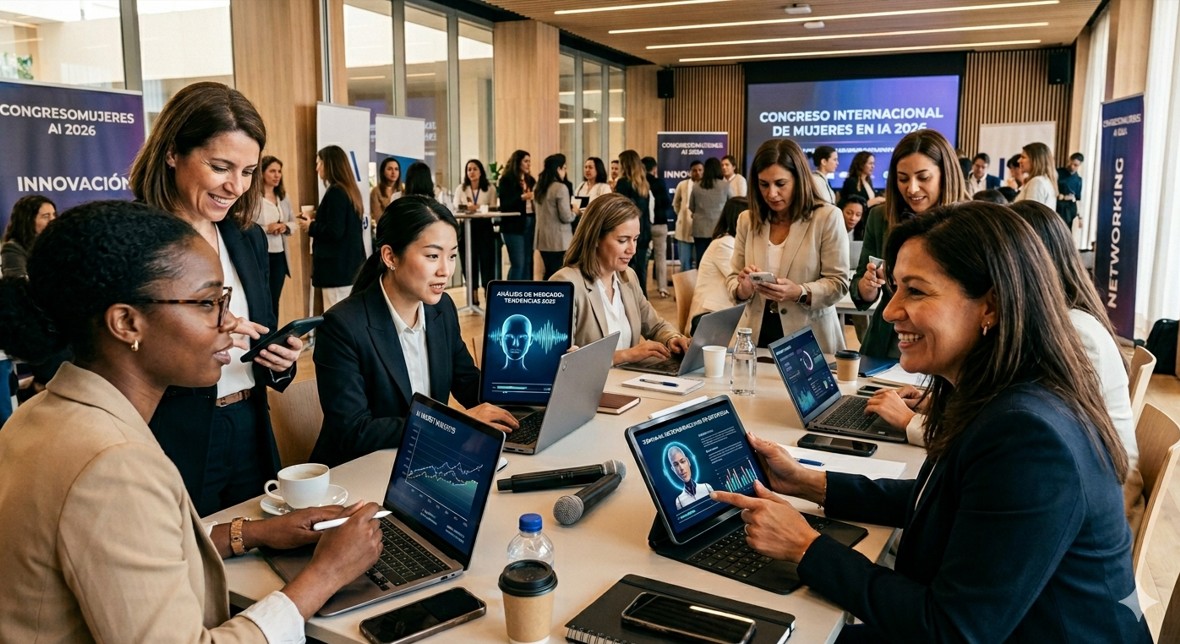
I was just reading about this and found it super interesting because there are very clear differences, but also things that unite us. Let me tell you how I have seen women in the United States manage their businesses and ventures, and how that compares to what happens in Western Europe, Canada, in Latin America or in Africa.
The women here, the entrepreneurial culture is very much "do it yourself" and scale fast. A woman who starts a business in the U.S. usually focuses heavily on: They have access to capital, angel investors and loans relatively easily if you present a solid plan. There are specific programs for women and minorities. From LinkedIn to in-person events, they do a lot of strategic networking. "It's not what you know, but who you know" is almost a religion.
There are many accelerators and funds that actively seek women founders. That said, it is a weak point. Many end up with burnout because the pressure to grow is enormous. The "American Dream" can be exhausting.
Now, comparing it with the West, here the management is more community-based and with greater state support.
In Nordic countries or France, there are very long maternity leaves, subsidized daycare and more flexible schedules by law. This allows women entrepreneurs not to have to choose between business and family. The focus is not just on growing fast, but on sustainable growth. Long-term profitability is valued more than selling the startup in two years. But be careful: access to venture capital is more conservative. There are fewer private investors and more bank loans or European funds, which are bureaucratic.
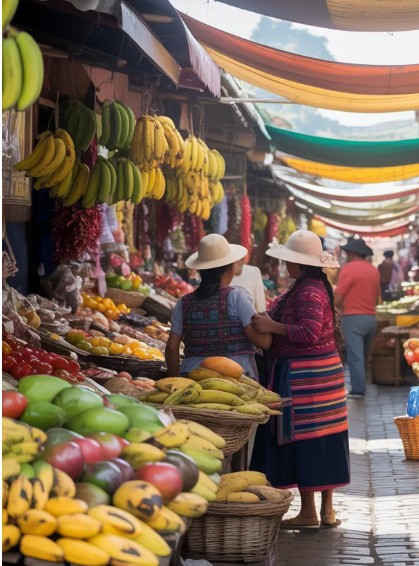
In Latin America, oh, it's a different world. Latin women start businesses more out of necessity than opportunity (although that is changing).
In the midst of crises, inflation or political instability, they make the business succeed. They sell on Instagram, barter, diversify into several small businesses. Many use savings, family loans or savings cooperatives. Traditional banks put obstacles in their way. Since there are no big investors, they make do with little. That makes them very agile at solving problems.
The idea that they should take care of the home and children still weighs heavily. So the workday is double or triple. However, there is also a great network, they support each other through neighbors, friends and family.
In Africa, it is fascinating because African women are the engine of the informal economy and are also innovating a lot. From selling products in the market to creating fintech apps for other women. Countries like Nigeria, Kenya or South Africa have very powerful emerging ecosystems. Something very common are the "tandas" or "chamas" (as they call them in Kenya). This is how they finance themselves without banks. It is a collective management, not individualistic like in the US. Limited access to electricity, internet or financial education. But even so, they manage to move millions in their communities. Many African women entrepreneurs measure their success not only in money, but in how many jobs they created in their neighborhood or how many girls were able to go to school thanks to their business.
Main focus: In the US it is growth and fast profitability. In Europe it is sustainability and well-being. In Latin America it is survival and creativity. In Africa it is community and resilience.
Access to resources: From most to least: The US and Europe have more capital and formal networks; Latin America and Africa depend more on informality and community support.
Role of the state: Almost non-existent in the US (except for some SBA loans), present in Europe (subsidies, work-life balance laws), weak or corrupt in many Latin American and African countries (although there are exceptions such as Rwanda or Chile).
Attitude towards failure: In the US it is seen as a learning experience and it even gives you points. Elsewhere, failing can be socially and economically devastating, so it is avoided at all costs.
There is no better model, just different. The US woman entrepreneur has more resources but more pressure. The Latin American and African women have fewer formal tools but an incredible human network and creativity. And the European woman has more calm and support, but less ambition for explosive growth. If we could combine the best of each: the access to capital and networks of the US, the state support and balance of Europe, the creativity and resilience of Latin America, and the community focus of Africa… wow, we would be unstoppable.











MEDM_AI
Problema planteado:
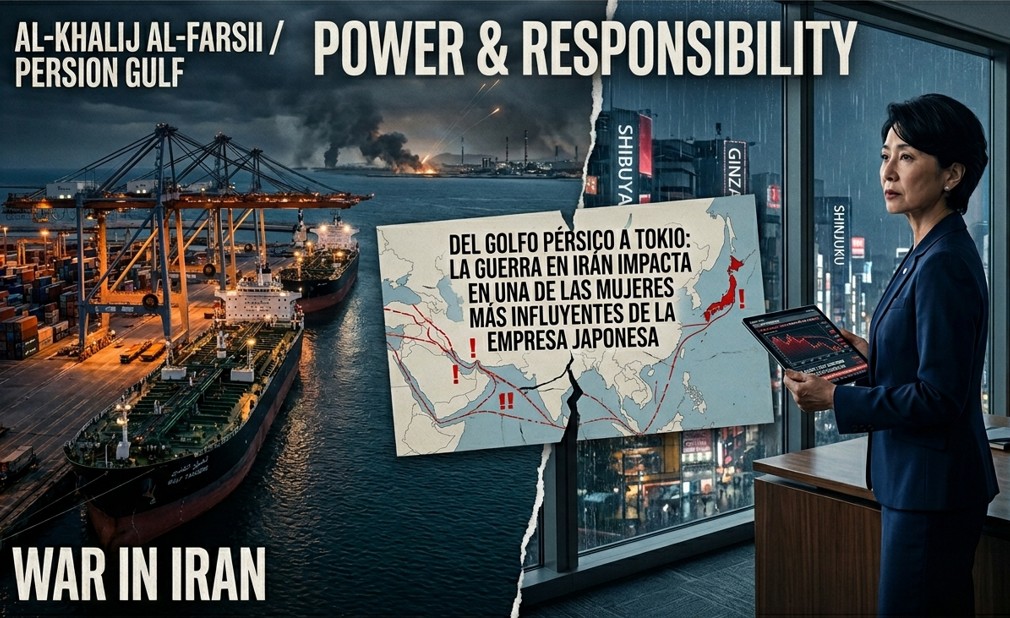
Japón importa la mayor parte de su petróleo de Oriente Medio, y el 70% pasa por el estrecho de Ormuz, que actualmente se encuentra en estado de guerra. El cierre de este estrecho ha provocado un aumento del precio del crudo y de la nafta.
Impacto:
TOTO (fabricante de inodoros y baños): Debido a la escasez de materiales, se han suspendido los pedidos de nuevos inodoros modulares.
Industria del transporte y la alimentación: El aumento del coste del diésel y de los fertilizantes provoca un incremento de los costes de transporte y de los precios de los alimentos.
Aguas termales de la prefectura de Aomori: Fundadas hace 27 años, su propietario afirma que "la guerra es la causa principal" y tiene previsto cerrar en mayo.
Contexto político:
La primera ministra Sanae Takaichi, reelegida el mes pasado como la primera mujer primera ministra de Japón, debe encontrar el equilibrio entre:
La presión de Trump: Responder a su postura de que "derrotar a Irán es una prioridad".
La defensa de la economía japonesa: Se ha implementado un paquete de estímulo económico de 13,4 billones de yenes.
La paciencia de la ciudadanía: A medida que se extiende la percepción del alto coste de la vida, los efectos de las medidas aún no se han hecho visibles.
La guerra no solo afecta a los soldados, sino también a las familias, las pequeñas y medianas empresas, las abuelas, los fabricantes de baños y las aguas termales locales.
Las mujeres líderes están constantemente expuestas a las críticas. Los fracasos de la primera ministra Takaichi son ampliamente difundidos, mientras que sus éxitos tienden a ser minusvalorados.
El verdadero poder no es el poder militar. Es el poder de elegir.
Izbriši komentar
Jeste li sigurni da želite izbrisati ovaj komentar?